CMAS International Diver Training Standards and Procedures Manual
Foreword
On September the 28th 1958, during the Congress of C.I.P.S. the delegates who represented Under Water (UW) activities decided to form an independent organisation. This organisation convened on January 10th 1959 in the Principality of Monaco. The countries represented at that meeting were:
Belgium, Brazil, France, Germany, Great Britain, Greece, Italy, Malta, Monaco, The Netherlands, Portugal, Spain, Switzerland, USA and Yugoslavia. On this day CMAS was created. The first elected President was J.Y. Cousteau.
Three committees were created to handle the work of the Confederation: Scientific, Sport and Technical which dealt with the main areas of concern for the Confederation and to which specific matters were assigned. It was during these early days in the growth of CMAS that the Technical Committee outlined the basic rules for UW activities and these rules still form the corner stone’s of our rules today.
It was during this time in order to overcome the general use of UW apparatus made of copper, suits that were made of rubber strips glued together and ballast shoes that the Technical Committee created rules, formed the culture, created the teaching material and made it available for everyone to use.
The main concern when creating all of the above was the safety of its members and it is that concern that is still foremost in people’s minds when creating standards for UW activities. Thus, it is an integral part of the teaching techniques and is a major part of all standards; this applies to all affiliated federations.
This work never stops and today the Technical Committee holds the safety of its members very important. For this reason it has produced this Handbook which contains all of the current CMAS Standards and Training Programs all written in a similar format.
This now gives affiliated federations and CDC’s and instrument which is easy to read and understand and use when teaching and delivering courses.
Dear friends of the Technical Committee, initiatives like this that you are presented with guarantee us our professionalism and allow us maintain our standing as the premier provider of quality material and standards in the world arena in UW techniques and education.
On behalf of the Confederation, I want to thank you for your work resulting in this quality product.
Congratulations and thanks to you all.
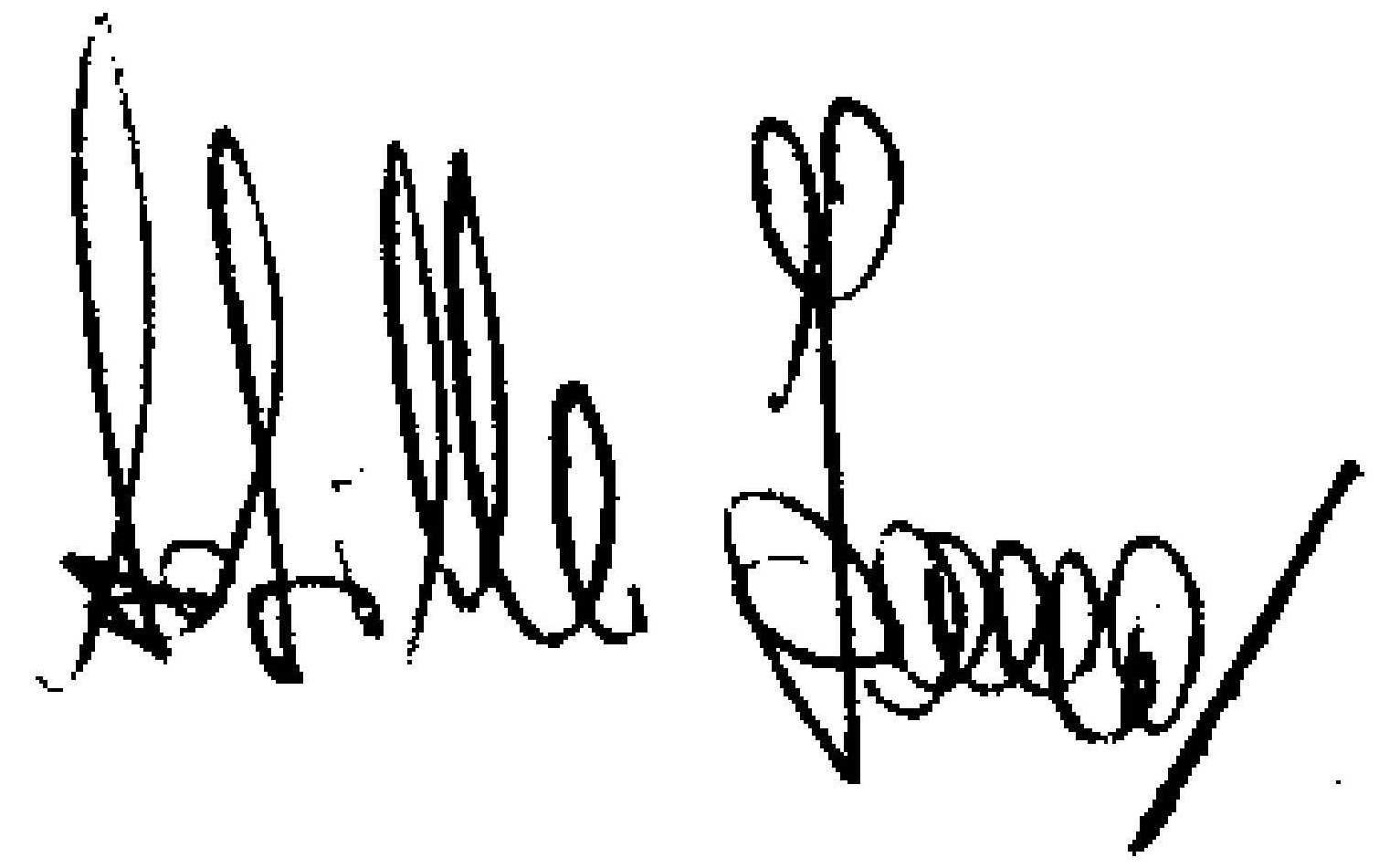
_______________________

Achille Ferrero, President, CMAS International
Preface
It has been the goal of the CMAS Technical Committee for quite a while to draft a CMAS International
Diver Training Standards and Procedures Manual that would incorporate all of the CMAS Diver Training Standards in a useful and more practical format for use by CMAS Federations and CDC’s.
The launch of this Manual represents the realisation of that goal.
Our aim in compiling this Manual was to create the most complete and up-to-date diver training standards that would make a contribution towards diving safety through education and training.
We have tried to standardize the manner in which the information is presented in the Diver Training Standards so that the Manual will be easy to use by CMAS Federations and CDC’s once they become familiar with the outlay and structure of the Manual.
We believe that the Diver Training Standards included in this Manual will go a long way towards ensuring the standardization of CMAS Diver Training all over the world.
_______________________

Kevin O’ Shaughnessy
President: CMAS Technical Committee
CMAS International
Disclaimer
Neither the authors nor the CMAS Board of Directors, the CMAS Technical Committee or any party associated with the CMAS will accept responsibility for any accidents or injuries resulting from the use of materials contained in the CMAS International Diver Training Standards and Procedures Manual or the activity of underwater diving using snorkelling and/or free diving equipment or open, closed and/or semi-closed circuit equipment or breathing compressed air or any other breathing gas mixture, including but not limited to Oxygen, Nitrogen and Helium.
The sport of underwater diving is not a risk free activity. The participants in the sport of underwater diving may experience injury that could result in disability or even death. Variations in individual physiology and medical fitness can lead to serious injury and death even with adherence to accepted standards of performance, oxygen limits and the correct use of decompression tables and dive computers.
Any person wishing to participate in the sport of underwater diving must receive instruction from a certified CMAS Instructor and complete the national and international CMAS requirements in order to be certified as a CMAS Diver. The use of SCUBA equipment requires additional training beyond that offered in CMAS Snorkel Diver Training Programmes and the use of alternative breathing gas mixtures requires additional training beyond that of conventional CMAS SCUBA Diver Training.
As trained and certified CMAS divers are informed of the inherent risks of snorkel and/or free diving, the use of compressed air and/or alternative breathing gas mixtures, the use of snorkelling and/or free diving equipment or open, closed and/or semi-closed circuit equipment they ultimately bear the responsibility for their own actions.
Persons must not be allowed to engage in underwater diving if they are unwilling to complete a course of instruction, pass certifying assessments, maintain their knowledge and skills through active participation in diving activities, undergo regular diving medical examinations and accept responsibility for any injury or death that may occur whilst participating in underwater diving.
Copyright ©
CMAS International
December 2010
All rights reserved. No part of this publication may be reproduced, stored in a retrieval system, or transmitted, in any form or by any means, electronic, mechanical, photocopying, and recording or otherwise, without the prior permission of CMAS international.
Introduction
1. The CMAS Board of Directors adopted this CMAS International Diver Training Standards and Procedures Manual, which forms the basis of the CMAS International Diver Training Certification System, upon recommendation by the CMAS Technical Committee.
2. In terms of the CMAS International Diver Certification System every CMAS Diver Training Programme can be categorised into one of the following broad categories:
2.1 CMAS Sport Diver Training Programmes
2.2 CMAS Speciality Diver Training Programmes
2.3 CMAS Technical Diver Training Programmes
2.4 CMAS Leadership Diver Training Programmes
3. The information about the CMAS Diver Training Programmes included in this manual consist of the following three (3) components:
3.1 A “General Requirement Component” that is applicable to all CMAS Diver Training Programmes, if not specifically excluded by a specific Standard, that is provided for in Chapter 1 of this Manual;
3.2 A “Standard Component” which is the Diver Training Standard itself, that describes, amongst others, the aim of the training programme, the pre-requisites for participation in the training programme as well as the competencies that a participant has to have achieved in order for a CMAS Instructor to award a specific CMAS Diver certification to the participant indicating that he has been assessed and has shown that he has met or exceeded the minimum requirements for certification as a CMAS Diver at a specific grade, that is provided for in Chapter 2 of this Manual; and
3.3 A “Syllabus Component” that prescribes the minimum training programme content requirements for instruction leading to the different CMAS Diver certifications that are provided for in Chapter 3 of this Manual.
4. The requirements of these CMAS Diver Training Standards are meant to be comprehensive, but general in nature. That is, the training programmes prescribe all the required subject areas essential for CMAS Diver certification for a specific CMAS Diver Certification, but it does not give a detailed listing of the skills and information encompassed by each area.
5. Although the information categories are outlined in the Standards in what may appear to be a logical sequence, the outline shall not be viewed as a lesson plan. That means that the order in which the information is presented in these standards, while logical as a framework for the basic requirements of the specific standard, does not necessarily define the sequence of a class lesson plan. Furthermore, the requirements presented in these standards do not indicate the emphasis that should be placed upon a particular subject area, or the manner in which subjects are to be taught. Rather, course outlines, lesson plans, and other training aids prepared by CMAS Federations and CDC’s responsible for CMAS diver training shall be used as guidelines for the sequencing and emphasis of course content requirements presented in these standards. Decisions as to the sequencing and the emphasis of subject matter are at the discretion of the CMAS Instructor within the requirements of the CMAS Instructor's Federation or CDC, to be made within the context of environmental factors, participant characteristics, and other relevant considerations.
6. These standards represent minimum standards, which mean that subject matter and diving skills may be added and that the prescribed instructor/student ratios may be lowered by CMAS Federations or CDC’s to suit the local conditions in a specific area.
7. These CMAS Standards are applicable to all CMAS Federations and CDC’s and CMAS Instructors presenting training on behalf of a Federation or a CDC.
8. The CMAS International Diver Training Standards and Procedures Manual is produced by CMAS International in English, French and Spanish. The English text shall always be referred to as the official text in the case of interpretation disputes.
Table of Content
Chapter 1 Universal Standards and Procedures |
|
1. The CMAS International Diver Training Certification System |
1.1 |
2. Definitions used in CMAS Diver Training |
1.4 |
3. CMAS Diver Training Philosophy |
1.10 |
4. General Requirements for the presentation of CMAS Diver Training Programmes
|
1.13 |
5. CMAS Code of International Diving Signals |
1.18 |
6. CMAS Delayed Surface Marker Buoy Colour Code System |
1.20 |
7. The Ten Golden Rules of CMAS
|
1.20
|
Chapter 2 Standards for CMAS Diver Training Programmes |
|
Section A: Standards for CMAS Sport Diver Training Programmes |
|||
Standard 2.A.1: CMAS One Star Snorkel Diver Training Programme |
2.A.1.1 |
||
Standard 2.A.2: CMAS Two Star Snorkel Diver Training Programme |
2.A.2.1 |
||
Standard 2.A.3: CMAS Three Star Snorkel Diver Training Programme |
2.A.3.1 |
||
Standard 2.A.4: CMAS Introductory SCUBA Experience Training Programme |
2.A.4.1 |
||
Standard 2.A.5: CMAS One Star Diver Training Programme |
2.A.5.1 |
||
Standard 2.A.6: CMAS Two Star Diver Training Programme |
2.A.6.1 |
||
Standard 2.A.7: CMAS Four Star Diver Training Programme
|
2.A.7.1
|
||
Section B: Standards for CMAS Speciality Diver Training Programmes |
|||
|
|
|
|
Standard 2.B.1: CMAS Apnoea Diver Level I Training Programme |
2.B.1.1 |
|
|
Standard 2.B.2: CMAS Apnoea Diver Level II Training Programme |
2.B.2.1 |
|
|
Standard 2.B.3: CMAS Apnoea Diver Level III Training Programme |
2.B.3.1 |
|
|
Standard 2.B.4: CMAS Disabled Diver: Open Water Diving Environment Level I Training Programme
|
2.B.4.1 |
|
|
Standard 2.B.5: CMAS Disabled Diver: Open Water Diving Environment Level II Training Programme |
2.B.5.1 |
|
|
Standard 2.B.6: CMAS Disabled Diver: Open Water Diving Environment Level III Training |
2.B.6.1 |
|
|
Programme
Standard 2.B.7: CMAS Enriched Air Nitrox Diver Training Programme |
2.B.7.1 |
Standard 2.B.8: CMAS Drysuit Diver Training Programme |
2.B.8.1 |
Standard 2.B.9: CMAS Altitude Diver Training Programme |
2.B.9.1 |
Standard 2.B.10: CMAS Underwater Navigation Training Programme Standard |
2.B.10.1 |
Standard 2.B.11: CMAS Search and Recovery Diver Training Programme Standard |
2.B.11.1 |
Standard 2.B.12: CMAS Ice Diver Training Programme Standard Standard 2.B.13: CMAS Compressor Operator Training Programme |
2.B.12.1 2.B.13.1 |
Standard 2.B.14: CMAS Nitrox Gas Blender Training Programme Standard |
2.B.14.1 |
Standard 2.B.15: CMAS Trimix Gas Blender Training Programme |
2.B.15.1 |
Standard 2.B.16: CMAS Cave Diver Level I (Cavern Diver) Training Programme |
2.B.16.1 |
Standard 2.B.17: CMAS Recreational Scooter Diver Training Programme |
2.B.17.1 |
Standard 2.B.18: CMAS CPR & BLS Training Programme |
2.B.18.1 |
Standard 2.B.19: CMAS Oxygen Administration Training Programme |
2.B.19.1 |
Standard 2.B.20: CMAS Rescue Diver Training Programme |
2.B.20.1 |
Standard 2.B.21: CMAS Semi-Closed Rebreather Diver Training Programme |
2.B.21.1 |
Standard 2.B.22: CMAS Advanced Semi-Closed Rebreather Diver Training Programme |
2.B.22.1 |
Standard 2.B.23: CMAS Closed Circuit Rebreather Diver Training Programme |
2.B.23.1 |
Standard 2.B.24: CMAS Children Diving Bronze Award Training Programme Standard 2.B.25: CMAS Children Diving Silver Award Training Programme Standard 2.B.26: CMAS Children Diving Gold Award Training Programme Standard 2.B.27: CMAS Wreck Diver Level 1 Standard 2.B.27: CMAS Wreck Diver Level 2 |
2.B.24.1 2.B.25.1 2.B.26.1 2.B.27.1 2.B.27.2 |
|
|
Section C: Standards for CMAS Technical Diver Training Programmes
|
|
|
|
Standard 2.C.1: CMAS Advanced Nitrox Diver Training Programme |
2.C.1.1 |
|
|
Standard 2.C.2: CMAS Extended Range Nitrox Diver Training Programme |
2.C.2.1 |
|
|
Standard 2.C.3: CMAS Normoxic Trimix Diver Training Programme |
2.C.3.1 |
|
|
Standard 2.C.4: CMAS Trimix Diver Training Programme |
2.C.4.1 |
|
|
Standard 2.C.5: CMAS Advanced Trimix Diver Training Programme |
2.C.5.1 |
|
|
Standard 2.C.6: CMAS Cave Diver Level II (Apprentice Cave Diver) Training Programme |
2.C.6.1 |
||
Standard 2.C.7: CMAS Cave Diver Level III (Full Cave Diver) Training Programme |
2.C.7.1 |
||
Standard 2.C.8: CMAS Technical Scooter Diver Training Programme |
2.C.8.1 |
||
Standard 2.C.9: CMAS Overhead Environment Scooter Diver Training Programme |
2.C.9.1 |
||
Standard 2.C.10: CMAS Advanced Semi-Closed Rebreather Diver Training Programme |
2.C.10.1 |
||
|
|
||
Section D: Standards for CMAS Leadership Diver Training Programmes
|
|
Standard 2.D.1: CMAS One Star Snorkel Diver Instructor Training Programme |
2.D.1.1 |
Standard 2.D.2: CMAS Two Star Snorkel Diver Instructor Training Programme |
2.D.2.1 |
Standard 2.D.3: CMAS Apnoea Instructor Training Programme |
2.D.3.1 |
Standard 2.D.4: CMAS Instructor’s Assistant for Disabled Divers Training Programme |
2.D.4.1 |
Standard 2.D.5: CMAS Instructor for Disabled Divers Training Programme |
2.D.5.1 |
Standard 2.D.6: CMAS Instructor Trainer for Disabled Divers Training Programme |
2.D.6.1 |
Standard 2.D.7: CMAS Three Star Diver Training Programme |
2.D.7.1 |
Standard 2.D.8: CMAS One Star Instructor Training Programme |
2.D.8.1 |
Standard 2.D.9: CMAS Two Star Instructor Training Programme |
2.D.9.1 |
Standard 2.D.10: CMAS Three Star Instructor Training Programme |
2.D.10.1 |
Standard 2.D.11: CMAS Nitrox Instructor Training Programme |
2.D.11.1 |
Standard 2.D.12: CMAS Advanced Nitrox Instructor Training Programme |
2.D.12.1 |
Standard 2.D.13: CMAS Nitrox Instructor Three Star Training Programme |
2.D.13.1 |
Standard 2.D.14: CMAS Ice Diver Instructor Training Programme |
2.D.14.1 |
Standard 2.D.15: CMAS Trimix Instructor Training Programme |
2.D.15.1 |
Standard 2.D.16: CMAS Advanced Trimix Instructor Training Programme |
2.D.16.1 |
Standard 2.D.17: CMAS Nitrox Gas Blender Instructor Training Programme |
2.D.17.1 |
Standard 2.D.18: CMAS Trimix Gas Blender Instructor Training Programme |
2.D.18.1 |
Standard 2.D.19: CMAS Cave Diving Instructor I (Cavern Diving Instructor) Training Programme |
2.D.19.1 |
Standard 2.D.20: CMAS Cave Diving Instructor II (Full Cave Diving Instructor) Training Programme |
2.D.20.1 |
Standard 2.D.21: CMAS Cave Diving Instructor III (Cave Diving Staff Instructor) Training Programme |
2.D.21.1 |
Standard 2.D.22: CMAS Recreational Scooter Assistant Training Programme |
2.D.22.1 |
Standard 2.D.23: CMAS Technical Scooter Assistant Training Programme |
2.D.23.1 |
Standard 2.D.24: CMAS Overhead Environment Scooter Assistant Training Programme |
2.D.24.1 |
Standard 2.D.25: CMAS Recreational Scooter Instructor Training Programme |
2.D.25.1 |
Standard 2.D.26: CMAS Technical Scooter Instructor Training Programme |
2.D.26.1 |
Standard 2.D.27: CMAS Overhead Environment Scooter Instructor Training Programme |
2.D.27.1 |
Standard 2.D.28: CMAS Semi-Closed Rebreather Instructor Training Programme |
2.D.28.1 |
Standard 2.D.29: CMAS Advanced Semi-Closed Rebreather Training Programme |
2.D.29.1 |
Standard 2.D.30: CMAS Closed Circuit Rebreather Instructor Training Programme Standard 2.D.31: CMAS Children Diving Dive Leader Standard 2.D.32: CMAS Children Diving Instructor Standard 2.D.33: CMAS Children Diving Instructor Trainer |
2.D.30.1 2.D.31.1 2.D.32.1 2.D.33.1 |
Chapter 3
Minimum Content for CMAS Diver Training Programmes
Section A: Minimum Content for CMAS Sport Diver Training Programmes |
|||||
Syllabus 3.A.1: CMAS One Star Snorkel Diver Training Programme |
3.A.1.1 |
||||
Syllabus 3.A.2: CMAS Two Star Snorkel Diver Training Programme |
3.A.2.1 |
||||
Syllabus 3.A.3: CMAS Three Star Snorkel Diver Training Programme |
3.A.3.1 |
||||
Syllabus 3.A.4: CMAS Introductory SCUBA Experience Training Programme |
3.A.4.1 |
||||
Syllabus 3.A.5: CMAS One Star Diver Training Programme |
3.A.5.1 |
||||
Syllabus 3.A.6: CMAS Two Star Diver Training Programme |
3.A.6.1 |
||||
Syllabus 3.A.7: CMAS Four Star Diver Training Programme |
3.A.7.1 |
||||
Section B: Minimum Content for CMAS Speciality Diver Training Programmes |
|||||
|
|
|
|||
Syllabus 3.B.1: CMAS Apnoea Diver Level I Training Programme |
3.B.1.1 |
|
|||
Syllabus 3.B.2: CMAS Apnoea Diver Level II Training Programme |
3.B.2.1 |
|
|||
Syllabus 3.B.3: CMAS Apnoea Diver Level III Training Programme |
3.B.3.1 |
|
|||
Syllabus 3.B.4: CMAS Disabled Diver: Open Water Diving Environment Level I Training Programme |
3.B.4.1 |
|
|||
Syllabus 3.B.5: CMAS Disabled Diver: Open Water Diving Environment Level II Training Programme |
3.B.5.1 |
|
|||
Syllabus 3.B.6: CMAS Disabled Diver: Open Water Diving Environment Level III Training Programme |
3.B.6.1 |
|
|||
Syllabus 3.B.7: CMAS Enriched Air Nitrox Diver Training Programme |
3.B.7.1 |
|
|||
Syllabus 3.B.8: CMAS Drysuit Diver Training Programme |
3.B.8.1 |
|
|||
Syllabus 3.B.9: CMAS Altitude Diver Training Programme |
3.B.9.1 |
|
|||
Syllabus 3.B.10: CMAS Underwater Navigation Training Programme |
3.B.10.1 |
|
|||
Syllabus 3.B.11: CMAS Search and Recovery Diver Training Programme |
3.B.11.1 |
|
|||
Syllabus 3.B.12: CMAS Ice Diver Training Programme |
3.B.12.1 |
|
|||
Syllabus 3.B.13: CMAS Compressor Operator Training Programme |
3.B.13.1 |
|
|||
Syllabus 3.B.14: CMAS Nitrox Gas Blender Training Programme |
3.B.14.1 |
|
|||
Syllabus 3.B.15: CMAS Trimix Gas Blender Training Programme |
3.B.15.1 |
|
|||
Syllabus 3.B.16: CMAS Cave Diver Level I (Cavern Diver) Training Programme |
3.B.16.1 |
|
|||
Syllabus 3.B.17: CMAS Recreational Scooter Diver Training Programme |
3.B.17.1 |
|
|||
Syllabus 3.B.18: CMAS CPR & BLS Training Programme Training Programme |
3.B.18.1 |
|
|||
Syllabus 3.B.19: CMAS Oxygen Administration Training Programme |
3.B.19.1 |
|
|||
Syllabus 3.B.20: CMAS Rescue Diver Training Programme |
3.B.20.1 |
|
|||
Syllabus 3.B. 21: CMAS Semi-Closed Rebreather Diver Training Programme |
3.B.21.1 |
|
|||
Syllabus 3.B.22: CMAS Advanced Semi-Closed Rebreather Diver Training Programme |
3.B.22.1 |
|
|||
Syllabus 3.B.23: CMAS Closed Circuit Rebreather Diver Training Programme Standard 3.B.24: CMAS Children Diving Bronze Award Training Programme Standard 3.B.25: CMAS Children Diving Silver Award Training Programme Standard 3.B.26: CMAS Children Diving Gold Award Training Programme |
3.B.23.1 3.B.24.1 3.B.25.1 3.B.26.1
|
|
|||
|
|
|
|||
Section C: Minimum Content for CMAS Technical Diver Training Programmes
Syllabus 3.C.1: CMAS Advanced Nitrox Diver Training Programme 3.C.1.1
Syllabus 3.C.2: CMAS Extended Range Nitrox Diver Training Programme 3.C.2.1
Syllabus 3.C.3: CMAS Normoxic Trimix Diver Training Programme 3.C.3.1
Syllabus 3.C.4: CMAS Trimix Diver Training Programme 3.C.4.1
Syllabus 3.C.5: CMAS Advanced Trimix Diver Training Programme 3.C.5.1
Syllabus 3.C.6: CMAS Cave Diver Level II (Apprentice Cave Diver) Training Programme 3.C.6.1
Syllabus 3.C.7: CMAS Cave Diver Level III (Full Cave Diver) Training Programme |
3.C.7.1 |
Syllabus 3.C.8: CMAS Technical Scooter Diver Training Programme |
3.C.8.1 |
Syllabus 3.C.9: CMAS Overhead Environment Scooter Diver Training Programme |
3.C.9.1 |
Syllabus 3.C.10: CMAS Advanced Semi-Closed Rebreather Diver Training Programme |
3.C.10.1 |
|
|
Section D: Minimum Content for CMAS Leadership Diver Training Programmes
|
|
Syllabus 3.D.1: CMAS One Star Snorkel Diver Instructor Training Programme |
3.D.1.1 |
Syllabus 3.D.2: CMAS Two Star Snorkel Diver Instructor Training Programme |
3.D.2.1 |
Syllabus 3.D.3: CMAS Apnoea Instructor Training Programme |
3.D.3.1 |
Syllabus 3.D.4: CMAS Instructor’s Assistant for Disabled Divers Training Programme |
3.D.4.1 |
Syllabus 3.D.5: CMAS Instructor for Disabled Divers Training Programme |
3.D.5.1 |
Syllabus 3.D.6: CMAS Instructor Trainer for Disabled Divers Training Programme |
3.D.6.1 |
Syllabus 3.D.7: CMAS Three Star Diver Training Programme |
3.D.7.1 |
Syllabus 3.D.8: CMAS One Star Instructor Training Programme |
3.D.8.1 |
Syllabus 3.D.9: CMAS Two Star Instructor Training Programme |
3.D.9.1 |
Syllabus 3.D.10: CMAS Three Star Instructor Training Programme |
3.D.10.1 |
Syllabus 3.D.11: CMAS Nitrox Instructor Training Programme |
3.D.11.1 |
Syllabus 3.D.12: CMAS Advanced Nitrox Instructor Training Programme |
3.D.12.1 |
Syllabus 3.D.13: CMAS Nitrox Instructor Three Star Training Programme |
3.D.13.1 |
Syllabus 3.D.14: CMAS Ice Diver Instructor Training Programme |
3.D.14.1 |
Syllabus 3.D.15: CMAS Trimix Instructor Training Programme |
3.D.15.1 |
Syllabus 3.D.16: CMAS Advanced Trimix Instructor Training Programme |
3.D.16.1 |
Syllabus 3.D.17: CMAS Nitrox Gas Blender Instructor Training Programme |
3.D.17.1 |
Syllabus 3.D.18: CMAS Trimix Gas Blender Instructor Training Programme |
3.D.18.1 |
Syllabus 3.D.19: CMAS Cave Diving Instructor I (Cavern Diving Instructor) Training Programme |
3.D.19.1 |
Syllabus 3.D.20: CMAS Cave Diving Instructor II (Full Cave Diving Instructor) Training Programme |
3.D.20.1 |
Syllabus 3.D.21: CMAS Cave Diving Instructor III (Cave Diving Staff Instructor) Training Programme |
3.D.21.1 |
Syllabus 3.D.22: CMAS Recreational Scooter Assistant Training Programme |
3.D.22.1 |
Syllabus 3.D.23: CMAS Technical Scooter Assistant Training Programme |
3.D.23.1 |
Syllabus 3.D.24: CMAS Overhead Environment Scooter Assistant Training Programme |
3.D.24.1 |
Syllabus 3.D.25: CMAS Recreational Scooter Instructor Training Programme |
3.D.25.1 |
Syllabus 3.D.26: CMAS Technical Scooter Instructor Training Programme |
3.D.26.1 |
Syllabus 3.D.27: CMAS Overhead Environment Scooter Instructor Training Programme |
3.D.27.1 |
Syllabus 3.D.28: CMAS Semi-Closed Rebreather Instructor Training Programme |
3.D.28.1 |
Syllabus 3.D.29: CMAS Advanced Semi-Closed Rebreather Instructor Training Programme |
3.D.29.1 |
Syllabus 3.D.30: CMAS Closed Circuit Rebreather Instructor Training Programme Syllabus 3.D.31: CMAS Children Diving Dive Leader Syllabus 3.D.32: CMAS Children Diving Instructor Syllabus 3.D.33: CMAS Children Diving Instructor Trainer |
3.D.30.1 3.D.31.1 3.D.32.1 3.D.33.1 |
How to use the CMAS International Diver Training Standards and Procedures Manual
1. Layout of the Manual
1.1 The CMAS International Diver Standards and Procedures Manual has been divided into the following three (3) Chapters:
1.1.1 “Chapter 1: Universal Standards and Procedures”, which aims to provide CMAS Federations and CDC’s with the general rules applicable to all CMAS Diver Training
Programmes. Included in this Chapter is, amongst others, an explanation of the CMAS International Diver Training Certification System, the definitions used in CMAS Diver Training, the CMAS Diver Training Philosophy as well as the General Requirements for the presentation of CMAS Diver Training Programmes. It is important to note that all of the rules included in this Chapter are applicable to all CMAS Diver Training Programmes unless indicated to the contrary in Chapter 2 in a specific CMAS Diver Training Programme. It is therefore essential that all CMAS Federations and CDC’s familiarise themselves and become conversant with the content of Chapter 1.
1.1.2 “Chapter 2: Standards for CMAS Diver Training Programmes”, which aims to provide CMAS Federations and CDC’s with the basic requirements for each one of the CMAS Diver Training Programmes. The Chapter is divided into the following four (4) Sections:
1.1.2.1 Section A: Standards for CMAS Sport Diver Training Programmes
1.1.2.2 Section B: Standards for CMAS Speciality Diver Training Programmes
1.1.2.3 Section C: Standards for CMAS Technical Diver Training Programmes
1.1.2.4 Section D: Standards for CMAS Leadership Diver Training Programmes
1.1.3 Every CMAS Diver Training Programme is classified as a Sport Diver, Speciality Diver, Technical Diver or Leadership Diver Training Programme and placed into the relevant Section of this Chapter according to its classification.
1.1.4 Each CMAS Diver Training Programme in this Chapter is structured in exactly the same manner in order to make it easier for the reader to locate information once he has become familiar with the general structure. The information provided in each CMAS Diver Training Programme is captured under the following headings in this Chapter:
1.1.4.1 “Aim of the training programme”, which provides the intended outcome of the training programme.
1.1.4.2 “Classification”, which provides the classification of the training programme as an entry level, intermediate level or advanced level diver training programme in the Sport Diver Training,
Speciality Diver Training, Technical Diver Training or Leadership Diver Training categories.
1.1.4.3 “Instructor and Assistant Requirements”, which provides the relevant information as to who is allowed to present the training programme as well as who may assist with the presentation of the training programme.
1.1.4.4 “Competencies of the certified diver”, which provides a description of the level of competence of the diver once he has successfully completed the training programme and been certified.
1.1.4.5 “Prerequisites for participation in the training programme”, which provides the requirements the aspirant participant has to comply with in order to gain access to the training programme.
1.1.4.6 “Requirements for certification”, which provides a description of all the administrative, health, knowledge, skill and other requirements that the participant has to comply with before he can be certified by a CMAS Instructor.
1.1.4.7 “Required theoretical knowledge and diving skills” which provides a description of all the knowledge and skills that the participant is required to master before he can be certified by a CMAS Instructor.
1.1.4.8 “Theoretical training parameters”, which provides a description of all the requirements that the CMAS Instructor must comply with when presenting the theoretical component of the training programme.
1.1.4.9 “Practical training parameters”, which provides a description of all the requirements that the CMAS Instructor must comply with when presenting the practical component of the training programme.
1.1.4.10 “Assessment”, which provides a description of the assessment the participant must undergo in order to be certified.
1.1.4.11 “Certification”, which indicates what CMAS certification, needs to be issued to the participant upon successful completion of the training programme.
1.1.5 In an effort to keep every CMAS Diver Training Standard short and to the point every Standard contains references to relevant clauses in both Chapters 1 and 3.
1.2 “Chapter 3: Minimum Content for CMAS Diver Training Programmes”, which aims to provide CMAS Federations and CDC’s with the minimum required theoretical knowledge and skills that the participant is expected to master for each one of the CMAS Diver Training Standards that are included in Chapter 2. This Chapter is also divided into four (4) Sections. They are the following:
1.2.1.1 Section A: Minimum Content for CMAS Sport Diver Training Programmes
1.2.1.2 Section B: Minimum Content for CMAS Speciality Diver Training Programmes
1.2.1.3 Section C: Minimum Content for CMAS Technical Diver Training Programmes
1.2.1.4 Section D: Minimum Content for CMAS Leadership Diver Training Programmes
1.3 The syllabus for each CMAS Diver Training Programme is structured in exactly the same manner in order to make it easier for the reader to locate information once he has become familiar with the general structure of the minimum content for the training programme.
2. How to use the Manual
2.1 It is suggested that the reader firstly have a look at the Table of Content in order to gain an understanding of the classification system that was used to classify the Standards and the Training Programmes into a Sport Diver, Speciality Diver, Technical Diver or a Leadership Diver Training Programme. Once the reader has a better understanding of the classification system it will become easier to look for a specific CMAS Diver Training Standard in the CMAS International Diver Training Standards and Procedures Manual.
2.2 Secondly it is suggested that the reader reads Chapter 1 in order to get a general understanding of the general requirements that are applicable to all CMAS Diver Training Programmes.
2.3 Thirdly, it is suggested that the reader identify the relevant CMAS Diver Training Programme from the Table of Content that he is looking for and goes directly to the relevant Standard. The information in the Standard will provide the reader with all the information required for the presentation of the specific CMAS Diver Training Programme. The specific Standard will contain references to relevant clauses in Chapter 1 and Chapter 3 that need to be read together with the specific Standard in order to obtain all the information relevant to the specific Standard.
3. Numbering system
3.1 The numbering system used in this Manual is as follows:
3.1.1 Chapter 1 uses a two digit numbering system where the first digit refers to the Chapter Number and the second to the Page Number (e.g. “1.10”, where the “1” refers to “Chapter 1” and the “10” to page 10 of Chapter 1.
3.1.2 Chapters 2 and 3 use a four digit numbering system that is taken from the unique Standard or Syllabus number, where the first digit refers to the Chapter number, the second digit to the Section in the Chapter, the third to the Standard or Syllabus Sequential Number in the relevant Section and the fourth digit to the page number. (e.g. “2.B.18.1”, where the “2” refers to Chapter 2 (i.e. “Standards for CMAS Diver Training Programmes”), the “B” refers to Section B (i.e. Standards for CMAS Speciality Diver Training Programmes), the “18” refers to the Standard Sequential Number as it appears in the Table of Content (i.e. CMAS Oxygen Administration Training Programme) and the “1” refers to the page 1 of the document).